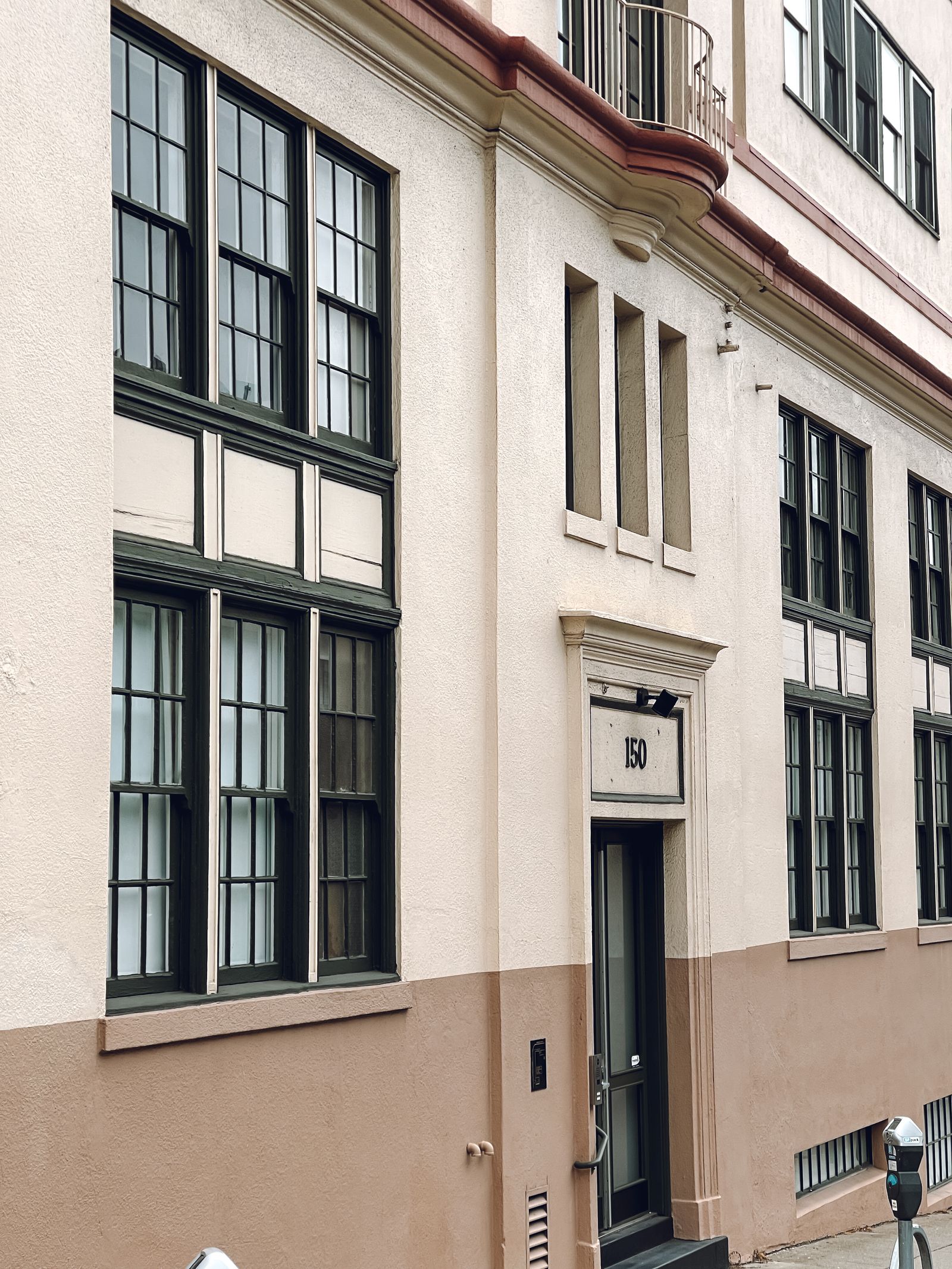
Soft washing and pressure washing solve different problems
Soft washing generally uses controlled application of a compatible cleaning solution, time for that solution to work, and a lower-pressure rinse. Its value comes from treating responsive soil without relying primarily on impact force. It may be considered for organic discoloration, algae-like growth, mildew-like surface conditions, pollen, and general environmental film on selected masonry, stucco, EIFS, painted surfaces, roofs or roofline elements, and facade panels. Suitability depends on the product label, material guidance, test results, coating condition, joints, openings, landscaping, metal details, runoff, and the building's tolerance for moisture.
Pressure washing uses water energy more directly and can be useful on durable surfaces such as selected concrete pavement, loading areas, curbs, or robust uncoated materials when pressure, flow, nozzle, distance, angle, and operator control are appropriate. High pressure is not automatically faster once protection, striping, joints, surface wear, rebound, overspray, and runoff are considered. A pressure level that is reasonable for a service yard can scar softer masonry, drive water into failed joints, remove paint, expose aggregate, disturb sealant, or create uneven marks on a vertical facade.
The real selection is a process specification, not a binary label. Some projects use a low-pressure pre-treatment followed by controlled surface cleaning at grade. Others use remote application on a broad upper wall and direct agitation only on isolated deposits. Glass may receive a rinse while adjacent masonry receives a separate tested process. Drone Building Cleaners can divide the property by material and condition so the proposal does not promise one method for every square foot.
- Soft washing relies more on compatible chemistry and dwell time than impact.
- Pressure washing relies more directly on controlled water energy.
- Material, condition, soil, and finish determine suitability.
- Mixed facades often need more than one process and access method.
Philadelphia masonry deserves testing before production
Philadelphia's older commercial fabric includes brick, stone, terra cotta, decorative mortar, painted masonry, and generations of repairs. Even neighboring units can have different brick hardness, mortar composition, coatings, patch materials, and moisture behavior. Dark staining may be atmospheric soil, biological growth, water movement, metal runoff, efflorescence, paint failure, or a combination. Applying aggressive pressure before identifying the condition can remove a protective fired surface, erode mortar, sharpen color differences, force water into the wall, or expose earlier repairs without actually correcting the stain's cause.
The Philadelphia Historical Commission's Old City Historic District manual advises using the gentlest method, consulting Commission staff before cleaning, and having experienced professionals perform a patch test. It warns against abrasive cleaning and discusses low-pressure water washing for many materials, while emphasizing caution around masonry. That guidance is especially relevant to designated resources and useful as a conservative reference for other older facades. It is not blanket approval for a method, pressure, chemical, or project. Owners should confirm current requirements and any Historical Commission review before work on a regulated property.
Limestone, cast stone, glazed terra cotta, common brick, pressed brick, and modern veneer should not be grouped under the word masonry. Acid-sensitive materials, fragile glazes, open joints, previous water repellents, and unknown coatings can change the response. A test area should represent the actual combination of surface and stain, use the proposed application and rinse, and be reviewed after drying. If the test reveals surface loss, color change, persistent deposits, leakage, or deterioration, cleaning should pause. Repair, conservation, or laboratory-supported restoration may belong with a qualified specialist rather than a routine wash crew.
Drone delivery does not remove those material limits. It can help place an approved solution or rinse on some upper compatible fields without positioning a lift at every elevation, but it cannot feel friable mortar, brush a carved detail, stabilize terra cotta, diagnose moisture entry, or restore damaged masonry. Historic and delicate areas may require close access by experienced personnel, additional approvals, or exclusion. The aircraft changes access; it does not make an unsuitable cleaning process suitable.
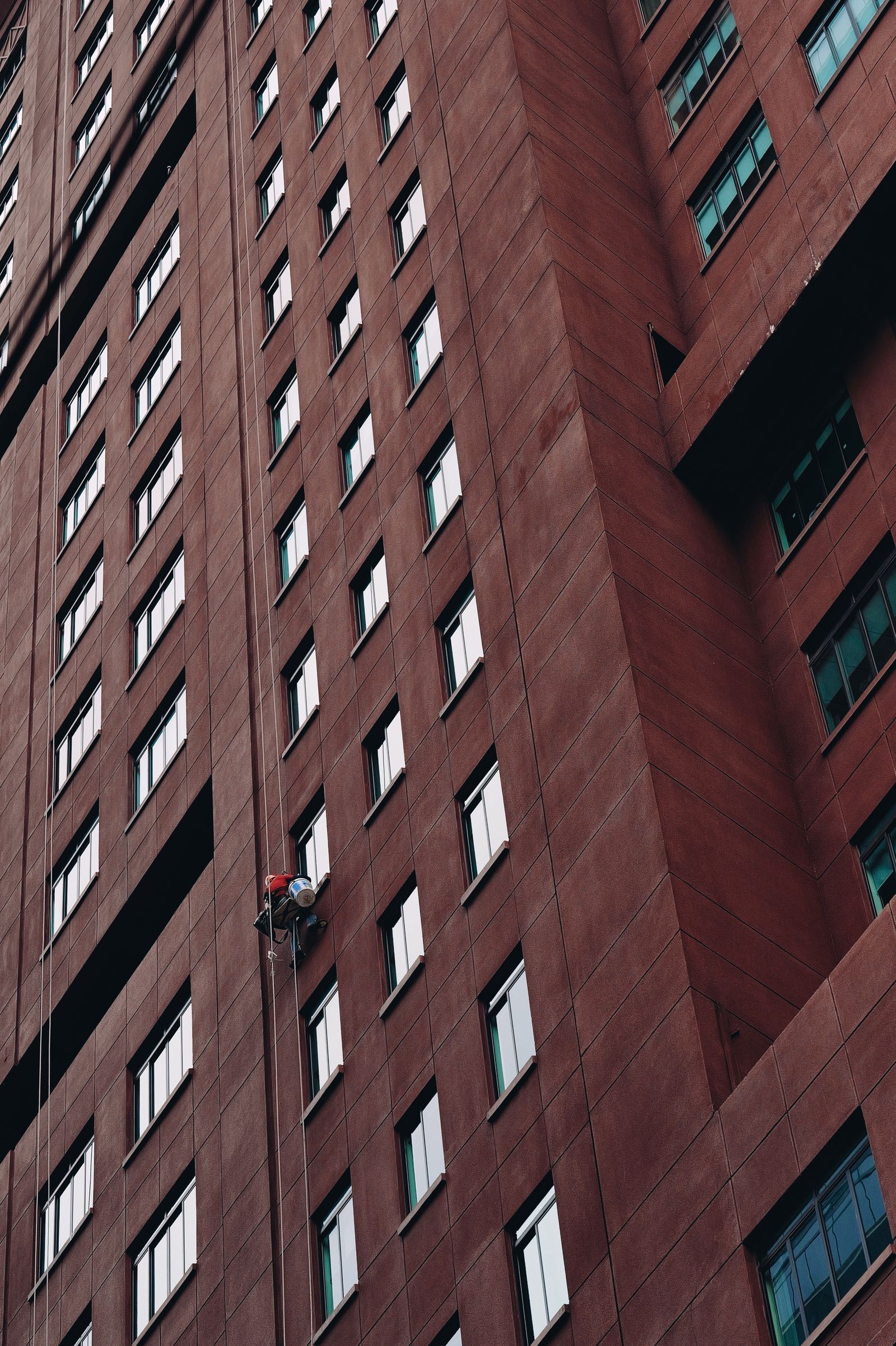
Identify the stain before selecting chemistry or pressure
Customers often use dirt to describe conditions that respond very differently. Green or dark organic growth can favor an appropriate soft-wash approach. Loose traffic film and dust may respond to rinsing or mild treatment. Efflorescence is associated with soluble salts moving through masonry and is not solved responsibly by simply increasing pressure. Rust, copper runoff, hard-water scale, carbon staining, grease, graffiti, adhesive, oxidation, sealant bleed, and failed paint can each require specific testing, containment, contact action, or restoration. Some discoloration reflects material aging or a defect and should not be sold as removable soil.
Location helps form questions but does not diagnose the stain. A street-facing Center City or North Broad elevation may collect traffic-related film. A shaded courtyard in Germantown or Chestnut Hill may remain damp longer and show organic growth. River-facing or exposed Navy Yard surfaces may dry and weather differently from protected walls. A Fishtown warehouse conversion can combine older brick, new infill, patched openings, painted signs, and metal runoff. The service team should inspect patterns, water sources, adjacent materials, shade, landscaping, exhaust, irrigation, roof drainage, and repair history before choosing treatment.
A quote should describe the expected improvement by stain category and list known exclusions. If a small test does not release a deposit safely, the options may include a specialty treatment, contact cleaning, a conservation contractor, repair, or accepting the condition. Promising complete stain removal before testing encourages escalating chemistry or pressure on the work date. A conversion-focused proposal is still honest: it tells the property manager what can likely be cleaned, what must be tested, and where a different scope protects the asset.
- Separate organic growth and loose film from mineral, metallic, oily, or coating failures.
- Trace drainage, irrigation, exhaust, shade, and adjacent materials.
- Review a representative test only after the surface dries.
- Treat permanent conditions and building defects as exclusions or specialist work.
Match the method to the property area, not just the address
A commercial property usually contains several cleaning zones. Upper facade fields may favor low-volume remote application if geometry, wind, aviation requirements, and ground controls permit. Storefront glass may need purified-water rinsing or contact detailing. A porte cochere can combine painted metal, glass, lighting, signage, and traffic film that require separate protection. Concrete sidewalks and loading pads may tolerate controlled pressure that would be inappropriate on the wall above. Rooflines, canopies, parapets, and recessed panels each change access and runoff.
Occupied buildings add another layer. Center City hotels need guest entrances, valet activity, deliveries, and pedestrian routes preserved. University City healthcare, laboratory, and academic properties can have sensitive intakes, emergency access, security, and extended operating hours. Retail corridors in East Passyunk, Manayunk, or Fishtown may place merchandise, seating, signs, and neighboring storefronts close to the work. Navy Yard and industrial properties can offer more private space but still have shift changes, truck circulation, utilities, controlled areas, and production schedules. The quote should show how the chosen process fits those uses.
A hybrid plan is often the most customer-focused answer. Drone-assisted soft washing may address a compatible upper wall while a pole-fed rinse serves lower glazing and controlled pressure cleans a durable loading surface. Delicate masonry or bonded deposits can be excluded for a specialist. This reduces unnecessary force, keeps expectations tied to each surface, and lets the property team prioritize visible or maintenance-sensitive areas.
Plan wash water, wind, and seasonal timing before work
Both soft washing and pressure washing produce runoff. The difference in pressure does not remove the need to identify where water and mobilized soil will travel. A site review should map area drains, curb inlets, roof drainage, slopes, landscaped zones, doors, loading areas, sumps, and low points. It should identify the proposed water source, hose route, treatment products, application volume, containment tools, recovery equipment, and planned disposal pathway. A nearby grate should never be treated as proof that wash water can enter it.
Philadelphia Water Department regulations address prohibited connections and non-stormwater discharges, including wash water, to the separate storm sewer system. Depending on the site's drainage, soil, chemistry, and current direction, controls may include limiting application, protecting inlets, collecting water, filtering solids, using recovery equipment, hauling liquid, or obtaining acceptance for another disposal route. Requirements can differ by property and discharge. The regulations are an authoritative planning source, but they are not a permit or individualized compliance opinion from this page.
Season also changes the comparison. National Weather Service records show Philadelphia experiences rain, snow, heat, and freezing conditions. Strong sun can shorten dwell time and produce uneven drying. Wind can move mist or rebound beyond the target, especially around corners and upper elevations. Rain can overwhelm containment or dilute a treatment. Near freezing, water can create ice on shaded sidewalks, alleys, loading docks, roofs, and ledges. A high-pressure machine is not a winter workaround, and a drone does not make runoff disappear. Conservative stop conditions should be part of the quote.
Pollen, shade, leaf debris, heat, and deicing residue can influence what the property team sees, but they do not justify a fixed citywide schedule. Cleaning frequency should be based on observed resoiling, facade exposure, customer expectations, and material guidance. A recurring plan can focus more often on entrances, lower glass, canopies, and street elevations while treating protected areas less frequently.
How to request a method-specific commercial cleaning quote
Send Drone Building Cleaners the Philadelphia address, building use, photographs of each affected elevation, known surface materials, approximate height, stain locations, water availability, preferred schedule, and the result you want. Include known leaks, loose masonry, failed paint, historic designation, open joints, facade repairs, sensitive landscaping, air intakes, loading conflicts, and areas that cannot be closed. If material records, manufacturer instructions, prior cleaning reports, or approved conservation documents exist, they can improve the review.
The next step may be a remote assessment, site visit, test area, or request for qualified material or building-envelope guidance. A useful proposal identifies each cleaning zone, selected process, access method, product or water assumptions, protection measures, runoff controls, expected result, exclusions, weather limits, and closeout documentation. It should separate routine cleaning from restoration, repair, professional inspection, historic-preservation approval, and environmental or aviation authorization.
Choose soft washing when testing shows compatible chemistry and lower-pressure rinsing can address the soil without unnecessary impact. Choose controlled pressure where a durable surface and the intended task support it. Choose a hybrid when the building contains several materials and use zones. Choose postponement or specialist care when deterioration, weather, access, or regulation makes routine washing inappropriate. Request a quote when you want that decision made around your property rather than around a machine. We clean commercial exterior surfaces and will explain exactly what is included before work begins.